How to Choose the Right Lot for a Custom Home in Waco, TX
Building a custom home in Waco, TX starts long before construction begins. One of the most important decisions you will make is choosing the right lot.
The right lot gives your home a strong foundation for design, comfort, drainage, access, and future value. A lot that looks perfect at first may have zoning restrictions, drainage concerns, floodplain limitations, utility challenges, or site conditions that increase construction costs.
That is why it is important to evaluate the property carefully before purchasing land or finalizing your home plans.
Whether you are planning a modern home in Waco, a family home in Woodway, or a custom property near Hewitt or Robinson, understanding the lot is the first step toward a successful building project.
In this guide, we will explain what to look for when choosing a lot for a custom home in Waco, TX.
Why Your Lot Matters When Building a Custom Home
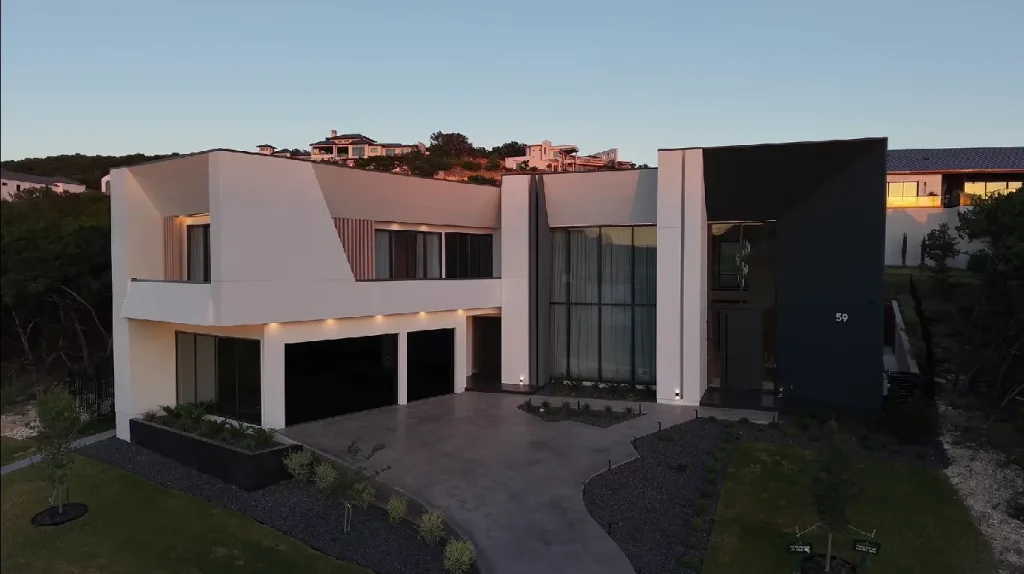
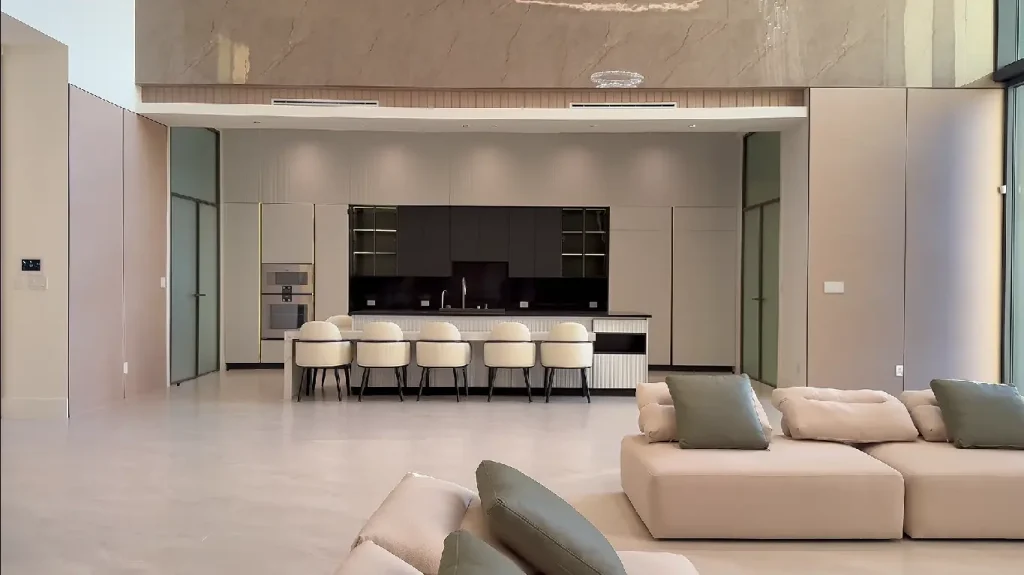

Your lot affects almost every part of your new home.
It can influence:
- Home size and floor plan
- House placement
- Driveway location
- Garage design
- Outdoor living space
- Drainage
- Foundation requirements
- Utility connections
- Landscaping
- Construction costs
- Privacy and natural light
A large lot is not automatically a better lot. The shape, slope, access, utilities, zoning, drainage, and building restrictions can be just as important as the total square footage.
Before buying land, look beyond the view and asking price. Think about how the property will work with the home you want to build.
1. Check the Lot’s Zoning and Land Use
One of the first things to investigate is how the property is zoned.
The City of Waco assigns zoning classifications to properties. Zoning controls how land can be developed and what types of uses are permitted.
For a residential custom home, you should confirm that the property allows the type of home you plan to build.
Ask questions such as:
- Is the property zoned for residential use?
- What type of residential development is allowed?
- Are there minimum lot size requirements?
- Are there setback requirements?
- Are there restrictions on building coverage?
- Can you build an accessory structure?
- Are there neighborhood or subdivision restrictions?
Do not assume that a vacant lot can automatically be used for any type of home.
The City of Waco’s planning information also distinguishes between different residential land-use categories, including rural, suburban, and urban residential development.
Checking these details early can prevent expensive surprises later.
2. Look at the Lot Size and Shape
The size of your lot matters, but the shape matters too.
A rectangular lot may give you more practical building space than a larger lot with an unusual shape.
Consider:
- Lot width
- Lot depth
- Total square footage
- Property boundaries
- Building setbacks
- Driveway access
- Available backyard space
- Space for outdoor features
For example, you may want a 2,400-square-foot home with a three-car garage, covered patio, pool, and large backyard.
A lot may be large enough on paper but still make that design difficult because of its width, setbacks, easements, or shape.
Think about your home design before deciding whether a lot is suitable.
3. Check Floodplain Information
Flood risk is another important consideration when purchasing land in Waco.
The City of Waco’s public mapping system includes information such as flood zones, parcels, zoning districts, streets, and water and sewer lines. (Waco Texas)
Before buying a lot, check whether any portion of the property is located in a floodplain.
This is especially important because floodplain conditions can affect:
- Building placement
- Finished floor elevation
- Site planning
- Drainage
- Foundation design
- Permit requirements
- Construction costs
For example, City of Waco residential plan requirements state that a site plan with a finished floor elevation is required when applicable to a property in the floodplain. (Waco Texas)
A lot with floodplain restrictions is not necessarily impossible to build on, but you should understand the requirements before purchasing it.
4. Understand Drainage and Water Flow
Good drainage is essential for a custom home.
Rainwater needs a safe path away from the house, foundation, driveway, and other structures.
When walking a potential lot, look for:
- Low areas
- Standing water
- Existing drainage channels
- Steep slopes
- Water flowing toward the property
- Nearby creeks or drainage areas
- Signs of previous erosion
The City of Waco’s subdivision regulations specifically address drainage and floodplain protection as part of development review.
A lot that naturally drains well can make site planning easier. A property with significant drainage challenges may require additional engineering or site work.
That is why drainage should be evaluated before you commit to the property.
5. Consider the Lot’s Slope
A sloped lot can create beautiful views and interesting home designs, but it can also affect construction.
A steep slope may require additional work such as:
- Grading
- Retaining structures
- Additional foundation work
- Drainage improvements
- More complex driveway construction
A relatively level lot may provide simpler construction conditions, but the best choice depends on your home design and the property’s specific conditions.
Before buying a sloped property, have the site evaluated by appropriate professionals.
6. Investigate Soil and Foundation Conditions
Your home needs a stable foundation, so understanding site conditions is an important part of choosing land.
Different soil conditions can affect how a foundation is designed and constructed.
Before construction begins, your builder and other professionals can determine what site and foundation requirements apply to the project.
Do not choose a lot based only on how attractive the property looks.
A professional evaluation can help identify conditions that may affect excavation, grading, foundation design, or construction costs.
7. Check Water, Sewer, and Utility Availability
Utilities are easy to overlook when you are focused on the home itself.
Before buying a lot, find out how the property will receive:
- Water
- Sewer
- Electricity
- Natural gas, if available
- Internet and telecommunications
The City of Waco’s public map includes layers for water and sewer lines, which can help during the initial property research process. (Waco Texas)
However, map information should not replace confirmation from the relevant utility providers.
If utilities are not already available at the property, extending services may add significant costs and affect your construction timeline.
8. Check Road and Driveway Access
Your home needs safe and practical access from the street.
Look at:
- Road width
- Street condition
- Driveway location
- Traffic
- Visibility
- Parking space
- Garage access
- Emergency access
The location of the driveway can also affect the layout of your home.
For example, a narrow lot may require careful planning to provide enough room for a driveway, garage, front entry, and landscaping.
City of Waco residential construction requirements can include approved details for residential drive approaches and sidewalks where applicable.
Your builder can help you understand how the lot’s street access will affect your home design.
9. Look for Easements and Property Restrictions
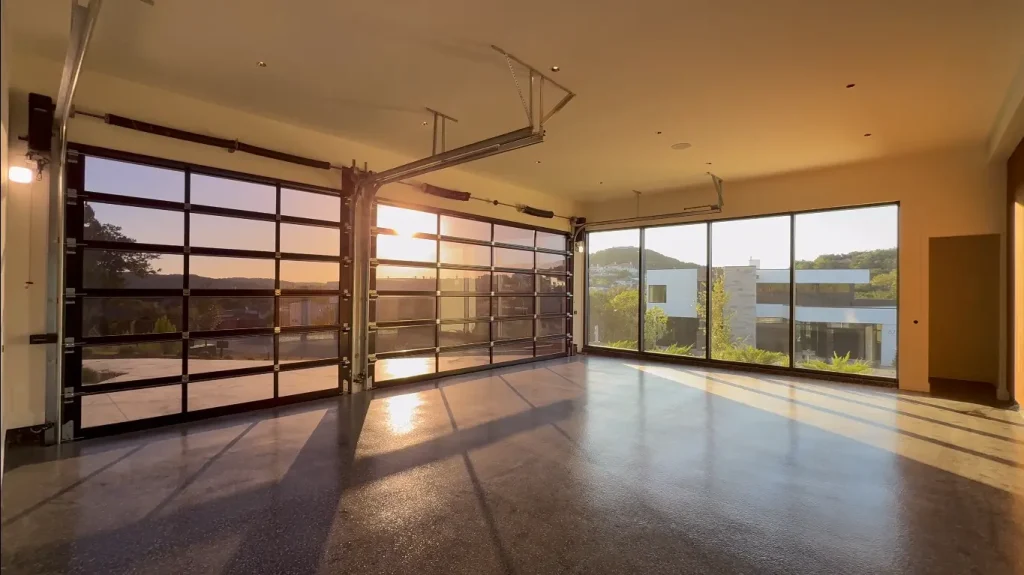
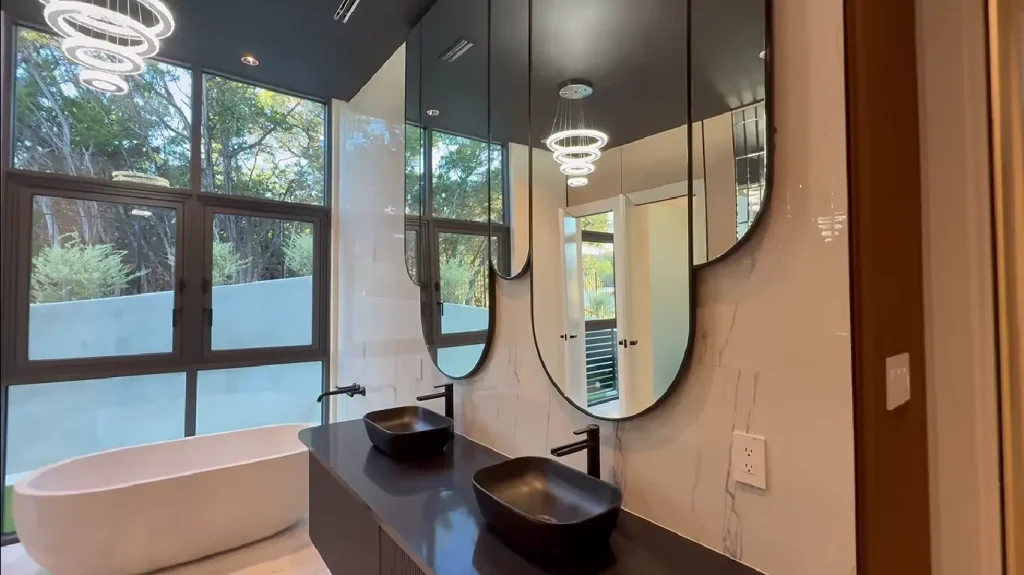
An easement gives another party certain rights to use part of your property for a specific purpose.
Examples may include utility, drainage, access, or other easements.
An easement can limit where you can place:
- Your house
- Garage
- Pool
- Fence
- Driveway
- Shed
- Patio
Before purchasing a lot, review the property’s survey and title documents.
Your builder should also understand where the usable building area is located.
A property can look large until easements and required setbacks are considered.
10. Review Subdivision and Plat Requirements
If the lot is part of a new development or subdivision, check its plat and development requirements.
The City of Waco explains that platting helps ensure lots comply with requirements involving minimum lot size, width and depth, street access, utilities, drainage, and floodplain protection.
This information can help you understand what can realistically be built on the property.
If you are purchasing an unplatted tract, additional steps may be required before you can obtain a building permit or develop the property.
11. Think About Sunlight and Home Orientation
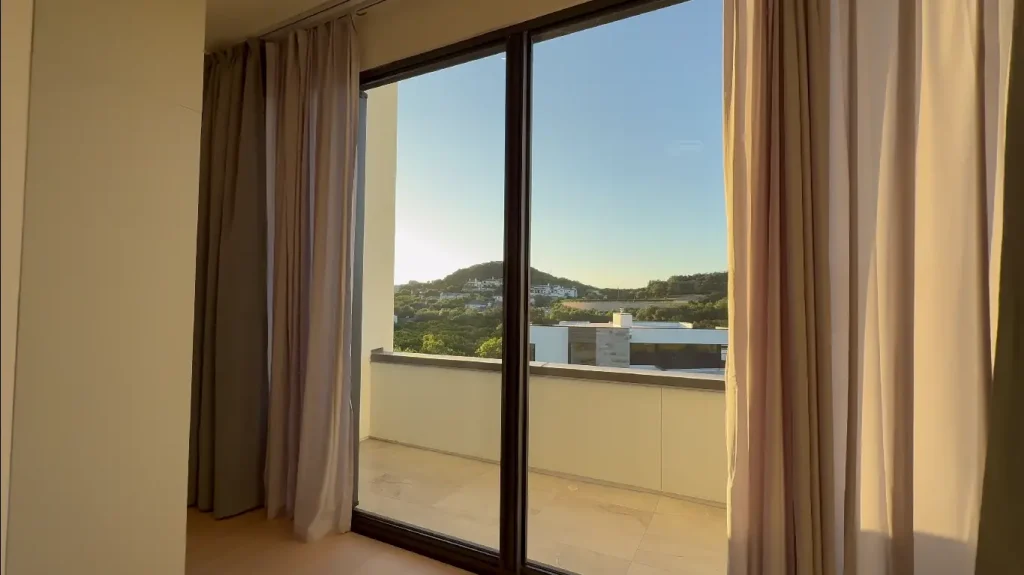
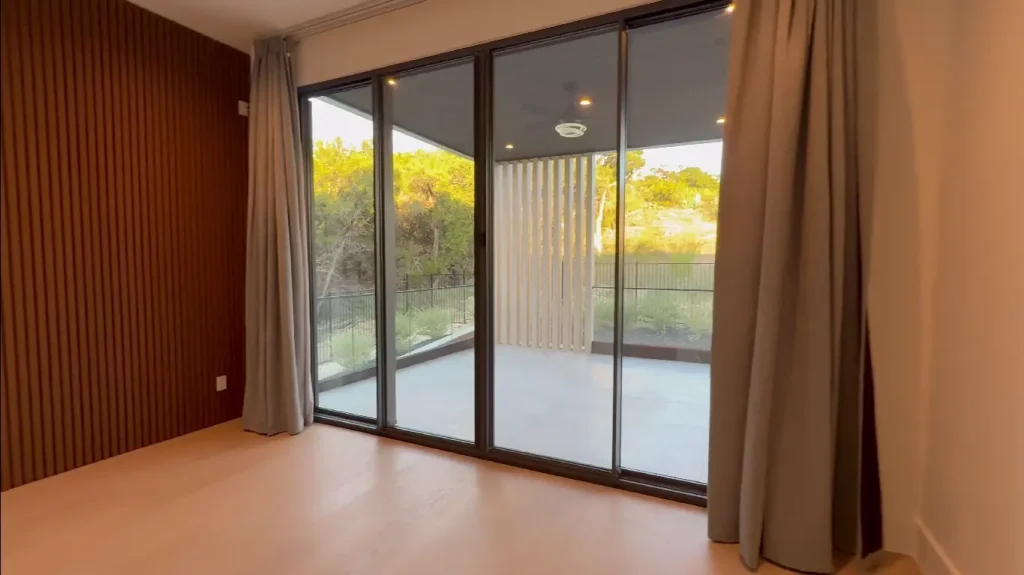
A good lot should work with your home’s orientation.
Think about where the sun rises and sets and how that affects:
- Bedrooms
- Living rooms
- Kitchen
- Covered patio
- Backyard
- Windows
- Outdoor entertaining areas
You may want morning sunlight in certain rooms and shade on an outdoor patio during hot afternoons.
The lot’s orientation can influence your floor plan and window placement.
Discuss these preferences with your custom home builder before finalizing your design.
12. Consider Privacy and Surrounding Properties
Take a look beyond the property line.
Ask yourself:
- What will be built next to this lot?
- Are neighboring homes close?
- Is there a busy road nearby?
- Are there commercial properties nearby?
- What views will remain private?
- Is there natural landscaping?
- Could future development change the view?
A lot may look peaceful today, but nearby undeveloped land could eventually be developed.
Understanding the surrounding area can help you make a more informed decision.
13. Research Neighborhood Restrictions
If the property is located inside a planned community or subdivision, there may be additional restrictions.
These may cover:
- Minimum home size
- Exterior materials
- Roof requirements
- Fencing
- Garages
- Landscaping
- Detached structures
- Pools
- Building setbacks
Always review the applicable deed restrictions or homeowners association requirements before buying.
Your custom home should meet both city requirements and any private restrictions attached to the property.
14. Calculate the True Cost of the Lot
The purchase price is only one part of your land budget.
A lot may require additional spending for:
- Surveying
- Soil testing
- Engineering
- Clearing
- Grading
- Excavation
- Drainage work
- Utility connections
- Driveway construction
- Landscaping
- Permits and development requirements
This is why a cheaper lot is not automatically the lower-cost option.
A slightly more expensive property may require less site preparation and provide better conditions for the home you want.
Before purchasing land, ask your builder for an early site evaluation and cost discussion.
15. Visit the Property More Than Once
Never rely only on listing photos.
Visit the property at different times of day.
Look at the property after rain if possible. Observe how water moves across the land.
Also check:
- Morning sunlight
- Afternoon sunlight
- Traffic noise
- Neighbor activity
- Street conditions
- Drainage
- Views
- Privacy
A second or third visit can reveal things that are easy to miss during the first walkthrough.
16. Work With Your Custom Home Builder Before Buying
One of the smartest steps is involving your builder early.
You do not necessarily want to purchase the land first and then ask, “What can we build here?”
Instead, discuss the property with your builder before making the final decision.
A builder can help you think through:
- Lot size
- Home placement
- Floor plan possibilities
- Driveway access
- Foundation considerations
- Site preparation
- Drainage
- Construction access
- Estimated site-related costs
Your builder can also help determine whether your desired home will realistically fit the property.
Waco Lot-Buying Checklist
Before purchasing a lot for your custom home, review this checklist:
- Confirm zoning and permitted residential use
- Check lot size and dimensions
- Review setbacks
- Check floodplain information
- Evaluate drainage
- Consider the property’s slope
- Investigate soil and foundation conditions
- Confirm water availability
- Confirm sewer or septic requirements
- Check electricity and other utilities
- Review road and driveway access
- Check easements
- Review the property survey
- Check subdivision plat information
- Review deed restrictions
- Consider sunlight and home orientation
- Evaluate surrounding properties
- Estimate site preparation costs
- Have your builder review the lot
Final Thoughts
Choosing the right lot is one of the most important decisions you will make when building a custom home in Waco, TX.
The perfect property is not simply the one with the best view or the largest amount of land. It is the property that works with your home design, budget, lifestyle, and construction requirements.
Before purchasing land, take time to investigate zoning, drainage, floodplain information, utilities, access, easements, lot dimensions, and site conditions.
Most importantly, involve your custom home builder early. A professional can help you understand how the property may affect your home’s design and construction.
With careful planning, you can choose a lot that gives your custom home a strong start and helps turn your vision into a home built around the way you want to live.
Ready to Build Your Custom Home in Waco?
If you are searching for a custom home builder in Waco, TX, start by choosing the right property and planning your project carefully.
Home Builder Waco helps homeowners plan and build custom homes designed around their needs, lifestyle, and property.